Cliffs of Moher, Ireland
Discover the Majestic Edge of the Wild Atlantic Way
10 Amazing Facts about the Cliffs of Moher, Ireland: Visitor Guide, History & Views
Explore the Cliffs of Moher with our comprehensive guide on history, best views, and essential travel tips for your visit.
Cliffs of Moher — Ireland’s Majestic Edge
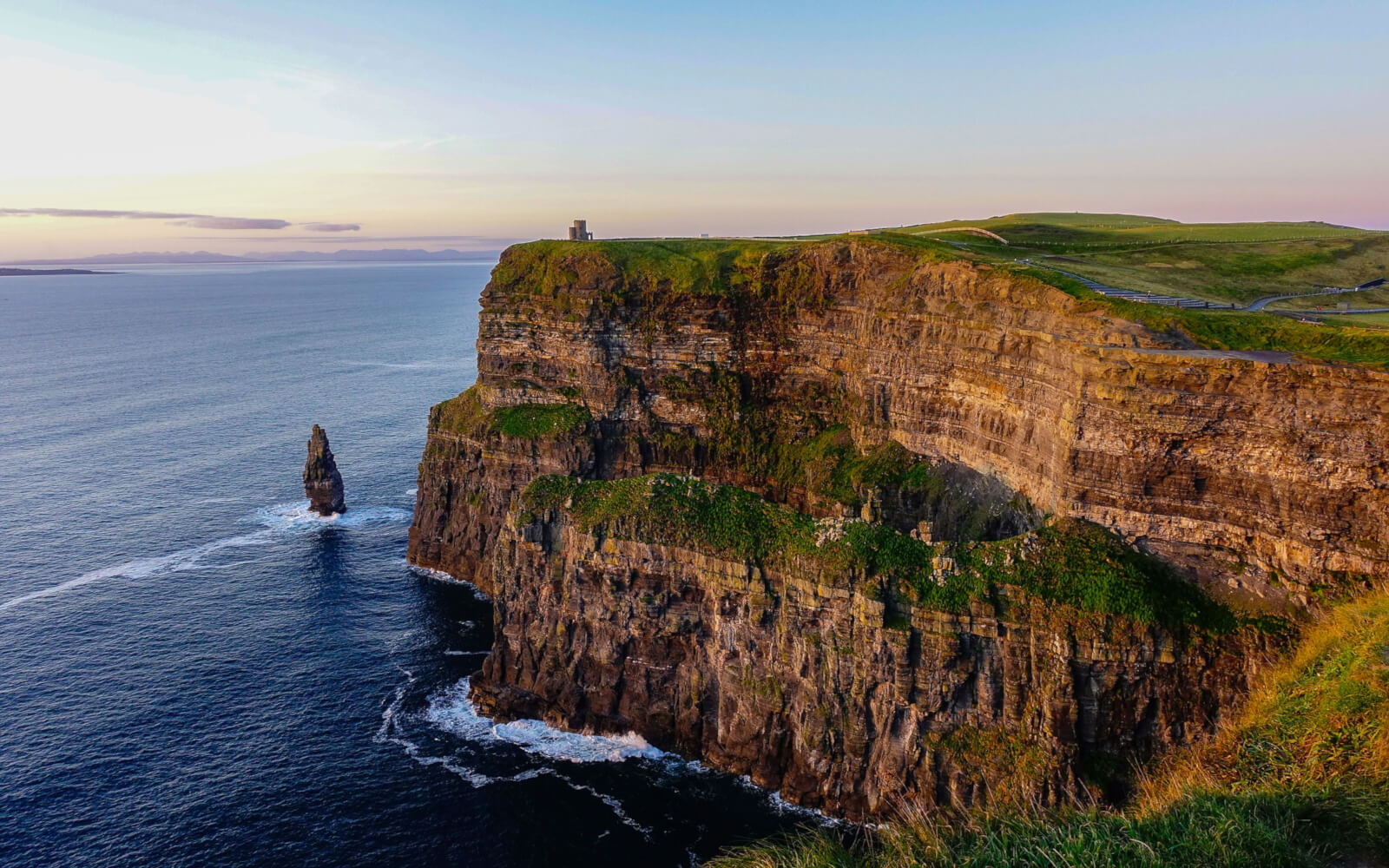
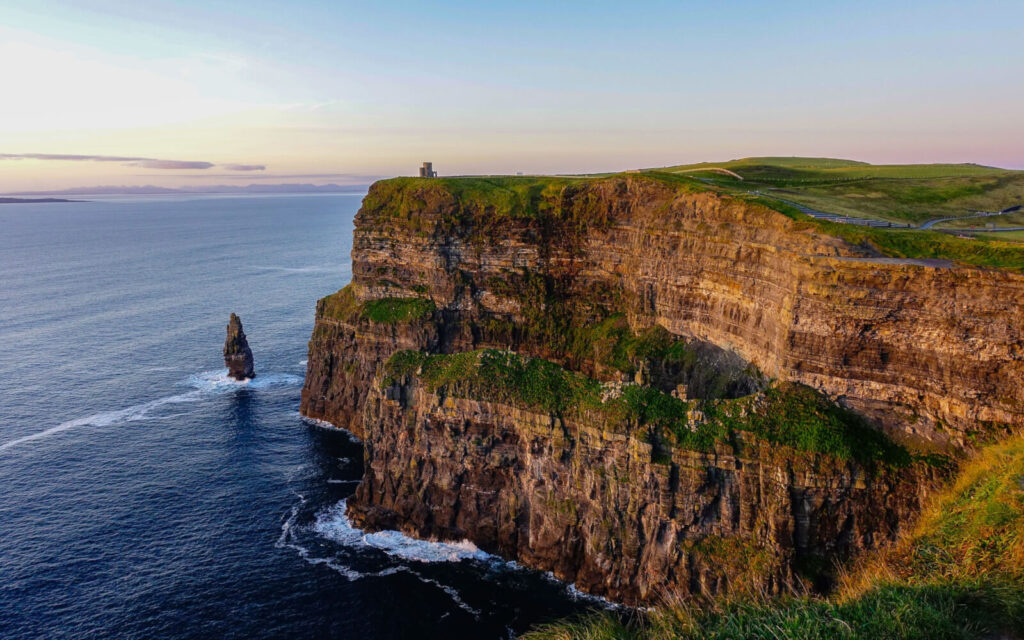
Standing proudly above the crashing Atlantic Ocean on Ireland’s spectacular west coast, the Cliffs of Moher are among the country’s most recognisable natural landmarks. Rising to an impressive 214 metres (702 feet) and stretching for approximately 14 kilometres (8.7 miles) along the rugged coastline of County Clare, these magnificent sea cliffs have captivated visitors for centuries.
Whether admired from the clifftop paths, photographed from the sea or experienced during a journey along the Wild Atlantic Way, the Cliffs of Moher offer a remarkable combination of dramatic scenery, geological history and abundant wildlife. More than simply a breathtaking viewpoint, they represent one of Ireland’s greatest natural treasures and remain an unforgettable highlight of any visit to the Emerald Isle.
Quick Facts
| Feature | Information |
| Location | County Clare, Ireland |
| Height | Up to 214 metres (702 ft) |
| Length | Approximately 14 km |
| Coastline | Atlantic Ocean |
| Famous viewpoint | O’Brien’s Tower |
| Nearby villages | Doolin and Liscannor |
| Part of | Wild Atlantic Way |
| Protected area | Burren and Cliffs of Moher UNESCO Global Geopark |
| Best seasons | Spring to early autumn |
A Landscape Shaped by Deep Time
The Cliffs of Moher tell a geological story that stretches back around 300 million years to the Carboniferous Period. Layer upon layer of Namurian sandstone and shale reveal the remains of ancient river deltas and shallow seas that once covered this region.
Over countless millennia, the relentless power of Atlantic storms has sculpted these rock formations into the dramatic cliffs seen today. Their distinctive horizontal bands provide a visible record of Earth’s ancient past, making the cliffs not only visually spectacular but also scientifically significant.
This remarkable coastline forms part of the Burren and Cliffs of Moher UNESCO Global Geopark, internationally recognised for its outstanding geological heritage and unique biodiversity.
Spectacular Views Across the Atlantic
One of the defining experiences of visiting the Cliffs of Moher is the ever-changing panorama.
On clear days, visitors can enjoy views extending across:
- The Aran Islands
- Galway Bay
- The Twelve Bens mountain range in Connemara
- The vast Atlantic Ocean
- Ireland’s rugged western coastline
The best-known viewpoint is O’Brien’s Tower, constructed in 1835 by Sir Cornelius O’Brien. Originally built as a Victorian observation tower for visitors, it continues to provide one of the finest vantage points along the cliffs.
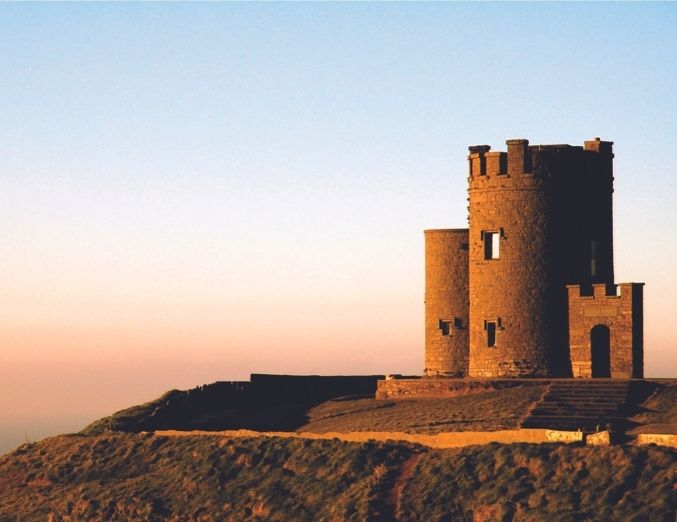
Morning light bathes the cliffs in soft golden tones, while sunset transforms the landscape into a dramatic display of colour, making both times particularly rewarding for photographers.
Experiencing the Cliffs
Every visit offers a different perspective.
Walking the cliff paths allows visitors to appreciate the immense scale of the landscape while listening to waves crashing hundreds of metres below.
The award-winning visitor centre has been thoughtfully built into the hillside, blending with the surrounding environment. Interactive exhibitions explain the area’s geology, wildlife and cultural heritage, making it an excellent introduction before exploring the trails.
For many travellers, however, the most memorable experience comes from the water.
Boat tours departing from nearby Doolin reveal the cliffs rising almost vertically from the Atlantic, offering a perspective impossible to appreciate from above. During calm conditions, kayaking excursions also provide a unique opportunity to experience this remarkable coastline from sea level.
Wildlife Along the Cliffs
The Cliffs of Moher are recognised as one of Ireland’s most important wildlife habitats.
Designated an Important Bird Area (IBA), they support one of the country’s largest colonies of nesting seabirds.
Depending on the season, visitors may encounter:
- Atlantic puffins
- Razorbills
- Guillemots
- Fulmars
- Kittiwakes
- Choughs
During spring and early summer, thousands of birds occupy narrow cliff ledges, creating an extraordinary wildlife spectacle that attracts birdwatchers from around the world.
The surrounding grasslands also support a variety of native wildflowers and coastal plants specially adapted to the exposed Atlantic environment.
History and Local Heritage
Human connections with the Cliffs of Moher extend back centuries.
Local folklore, maritime traditions and ancient legends all contribute to the character of this iconic landscape.
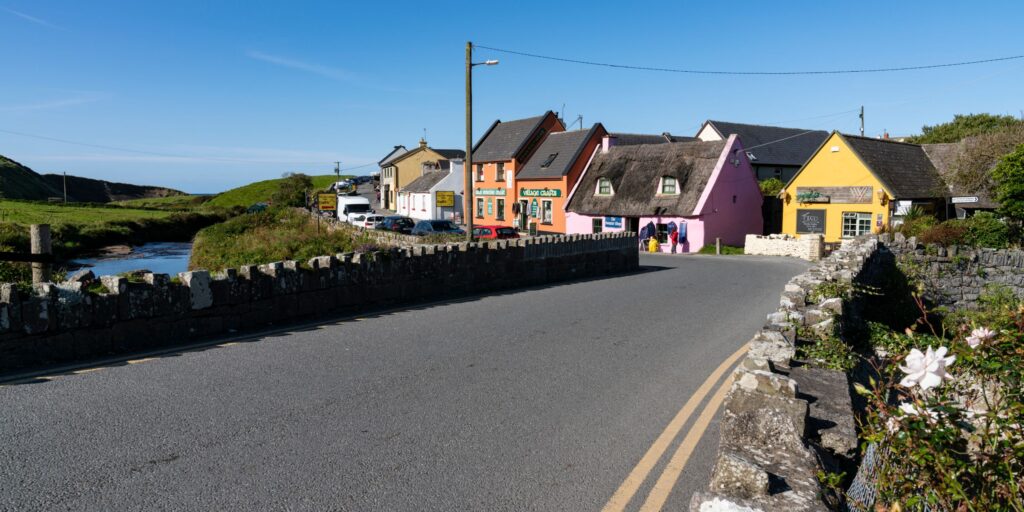
O’Brien’s Tower remains a lasting reminder of nineteenth-century tourism, while nearby villages such as Doolin and Liscannor preserve the area’s rich cultural heritage through traditional Irish music, fishing and hospitality.
Today, careful conservation ensures the cliffs remain protected while welcoming millions of visitors each year.
Planning Your Visit
A little planning can make your experience even more enjoyable.
Best Time to Visit
Early morning and late afternoon generally provide:
- Smaller crowds
- Softer light for photography
- More peaceful walking conditions
Spring and early summer offer the best opportunities for birdwatching, while autumn often brings dramatic skies and changing coastal weather.
Facilities
Visitors will find:
- Modern visitor centre
- Café
- Gift shop
- Accessible facilities
- Parking
- Shuttle buses during busy periods
- Clearly marked walking paths
Safety
The Atlantic coastline is beautiful but exposed.
Visitors should:
- Stay behind safety barriers.
- Keep to designated paths.
- Wear sturdy footwear.
- Carry waterproof clothing.
- Check weather forecasts before travelling.
Nearby Attractions
The Cliffs of Moher combine perfectly with other destinations in County Clare, including:
- The Burren
- Doolin
- Liscannor
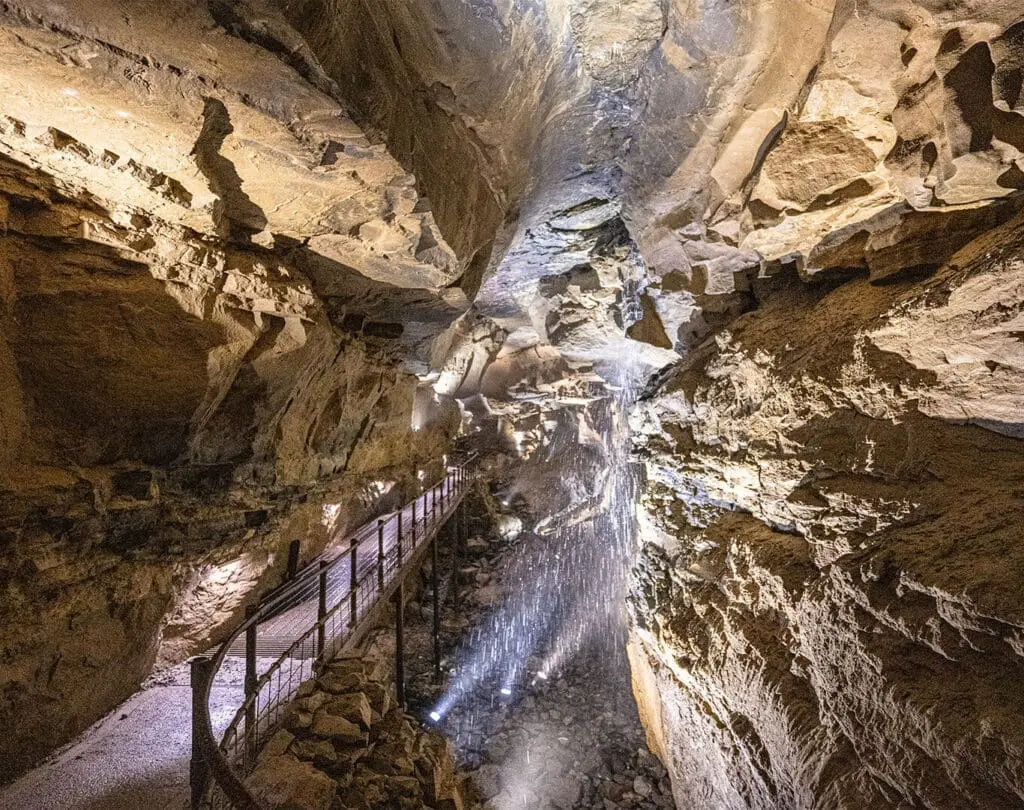
- Aillwee Cave
- Aran Islands ferry departures
- Lahinch Beach
- Loop Head Peninsula
Together they create an unforgettable itinerary along Ireland’s Wild Atlantic Way.
Frequently Asked Questions
Why are the Cliffs of Moher famous?
They are renowned for their spectacular Atlantic scenery, towering sea cliffs, geological significance and abundant seabird colonies.
How long should I spend at the Cliffs of Moher?
Allow between two and four hours to explore the visitor centre, walking trails and viewpoints comfortably.
Is a boat tour worth it?
Yes. Viewing the cliffs from the sea offers a unique appreciation of their immense scale and dramatic beauty.
When is the best time to visit?
Early morning or late afternoon usually provide the best combination of quieter conditions and excellent photography opportunities.
Can you walk along the cliffs?
Visitors can enjoy designated cliff-top paths that provide outstanding views while helping protect the surrounding environment.
Final Thought
In a world that rarely slows down, the Cliffs of Moher invite visitors to pause.
Standing on Ireland’s rugged Atlantic edge, watching centuries of wind and waves shape ancient rock, it becomes clear why this remarkable landscape continues to inspire artists, photographers and travellers alike.
Whether admired from O’Brien’s Tower, explored on foot or viewed from the sea below, the Cliffs of Moher offer far more than impressive scenery. They provide perspective, reminding us of nature’s immense power and the enduring beauty of Ireland’s western coastline.
It is little wonder that the Cliffs of Moher remain one of the defining experiences of the Wild Atlantic Way—and one of the most unforgettable places to visit in Ireland.