What Is the Currency Used in Ireland?
One island, two currencies. Here is how to avoid getting caught out while travelling in Ireland, ensuring you understand the financial landscape of this beautiful destination.
In this comprehensive article, we will explore the topic of What Is the Currency Used in Ireland. This guide will help you navigate the two currencies on the island, providing essential tips for managing your money while enjoying your travels.
What Is the Currency Used in Ireland?
It is one of the most common points of confusion for visitors, and understandably so. The island of Ireland uses two different currencies, depending on which side of the border you happen to be standing on. This dual currency system can be perplexing, especially for first-time visitors who may not be aware of the distinctions and implications for their travel plans.
The Republic of Ireland, which covers most of the island and includes vibrant cities such as Dublin, Galway, Cork, and scenic regions like Kerry, uses the euro (€). Ireland adopted the euro in 2002, replacing the Irish pound, or punt, which was in use prior to that. The euro is the same currency used across much of the European Union, making it easier for travelers from other EU countries to adapt. As you explore cities and countryside alike, you’ll find that the euro facilitates convenient transactions in shops, restaurants, and attractions throughout the Republic.
Northern Ireland, which includes historic cities like Belfast, Derry, and the stunning Giant’s Causeway, is part of the United Kingdom and uses the British pound sterling (£). Visitors may also encounter banknotes issued by Northern Irish banks. These notes can look different from Bank of England notes but are perfectly legal currency in Northern Ireland. However, be aware that these notes can be more challenging to spend in Great Britain, so it is advisable to use them before leaving Northern Ireland to avoid any hassle during your travels.
What happens if you cross the border? Some businesses near the border, particularly in shops and fuel stations, may accept the other currency, but often at an unfavorable exchange rate. Change will usually be given in local money, which means if you’re in Northern Ireland, expect to receive your change in pounds and vice versa. Do not rely on this practice as a consistent means of currency exchange. If you are spending a day or two in Northern Ireland, it’s best to use a card or withdraw a small amount of sterling at a local ATM to ensure you have the correct currency for your transactions.
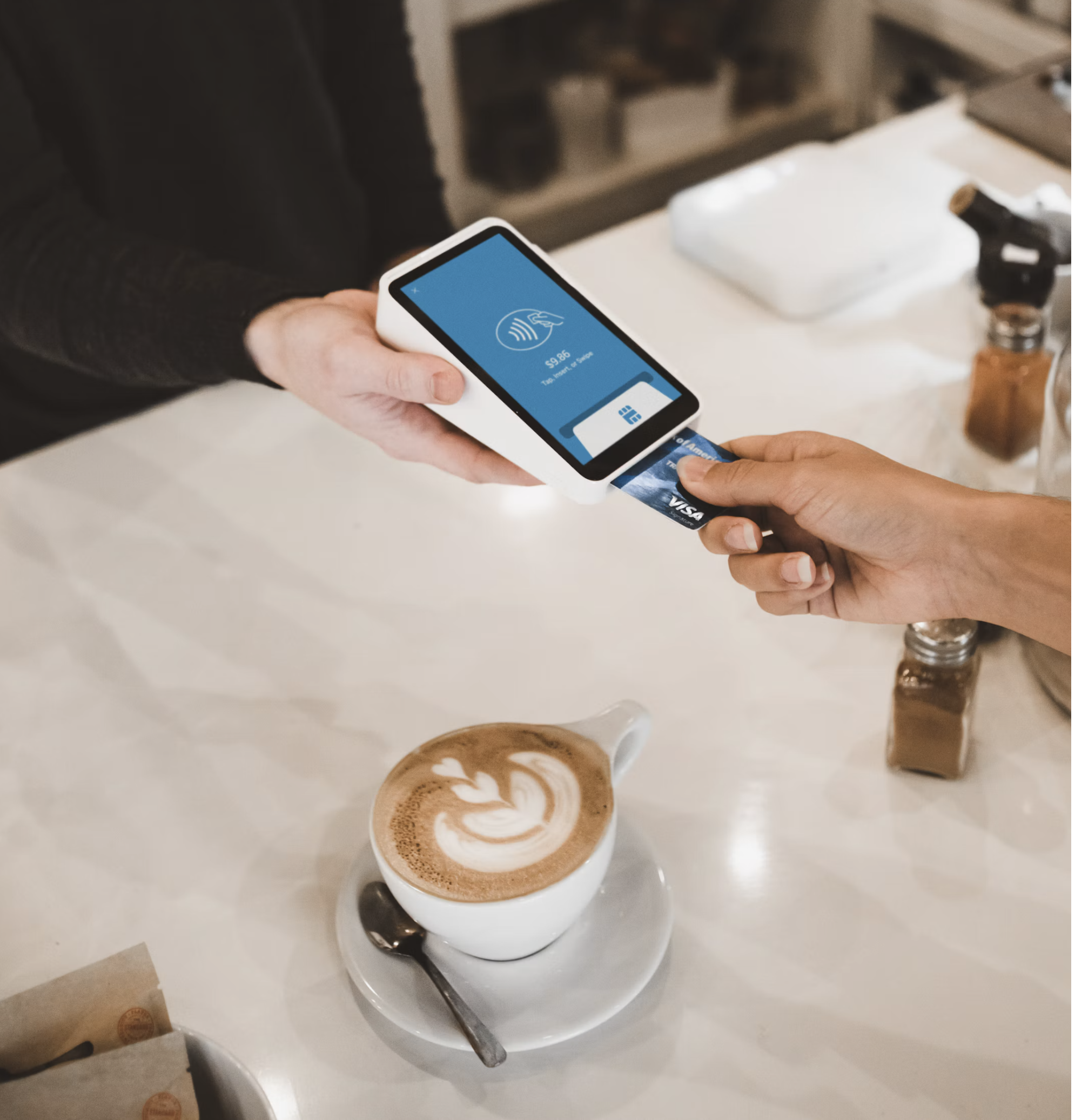
The good news is that cash is becoming less important than ever. Contactless card payments and mobile wallets such as Apple Pay and Google Pay are now accepted almost everywhere on both sides of the border, from bustling city restaurants to charming rural pubs and even many market stalls. Major credit cards like Visa and Mastercard are universally accepted; however, American Express may not be as widely accepted, so it’s wise to carry an alternative payment method just in case.
A few smart money tips can help you save while travelling. Use a card with no foreign transaction fees to minimise additional costs. When a card machine prompts you to choose whether you want to pay in your home currency or the local currency, always opt for the local currency, whether that be euros or sterling. Paying in your home currency, a practice known as dynamic currency conversion, almost always results in a less favourable exchange rate. For cash needs, withdraw cash from bank ATMs rather than standalone machines in tourist areas, which may charge significantly higher fees for withdrawals.
Despite the convenience of cards, it is still worth carrying a little cash for small purchases, particularly in rural areas where card acceptance may be limited. This includes quaint bed and breakfasts, honesty-box farm stands, parking meters, and even the occasional tip to friendly locals who provide exceptional service during your stay.
In summary: euros in the Republic of Ireland, pounds in Northern Ireland, and a fee-free card for almost everything else. Understanding the currency landscape of the island not only helps you avoid confusion but also enhances your travel experience, allowing you to enjoy your adventures without unnecessary financial stress. Remember to keep the focus keyword in mind throughout your travels: What Is the Currency Used in Ireland?
As you plan your trip, consider additional factors that may impact your finances. Exchange rates fluctuate, and it’s wise to check for the most current rates before you travel. Researching conversion options, such as exchanging currency in advance or using international cards, can also provide you with a financial edge. Engage with locals and fellow travellers to share tips and experiences regarding currency management, enhancing your overall travel knowledge.
As you plan your trip, consider additional factors that may impact your finances. Exchange rates fluctuate, and it’s wise to check for the most current rates before you travel. Researching conversion options, such as exchanging currency in advance or using international cards, can also provide you with a financial edge. Engage with locals and fellow travellers to share tips and experiences regarding currency management, enhancing your overall travel knowledge.