Do You Have to Tip in Ireland?
The short answer is no. The polite answer is: sometimes, and a little. However, understanding the nuances of tipping culture in Ireland can enhance your travel experience and help you navigate social interactions more smoothly.
Many travellers wonder, Do You Have to tip in Ireland? This question often arises during visits.
Tipping practices can vary significantly from one country to another, and Ireland is no exception. While the general expectation might be lower than in places like the United States, understanding the local customs can make your dining and travel experiences more enjoyable and culturally enriching. Knowing when and how much to tip can help you show appreciation to service workers who contribute to your overall experience in Ireland.
In larger cities like Dublin and Cork, you may find that tourists tend to tip more frequently, while locals might adhere more strictly to the cultural norms of tipping. Understanding these differences can help you blend in and feel more connected to the local community during your visit.
For North American visitors used to calculating 20 per cent on every bill, Ireland comes as a pleasant relief. Tipping here is appreciated but not expected in the same way, and nobody will chase you down the street if you skip it. Still, a few local customs are worth knowing.
Moreover, when dining out, it’s common to see servers going above and beyond, such as sharing insights about the menu or making personalised recommendations. These interactions can enhance your meal, making it even more rewarding to leave a tip that reflects your experience.
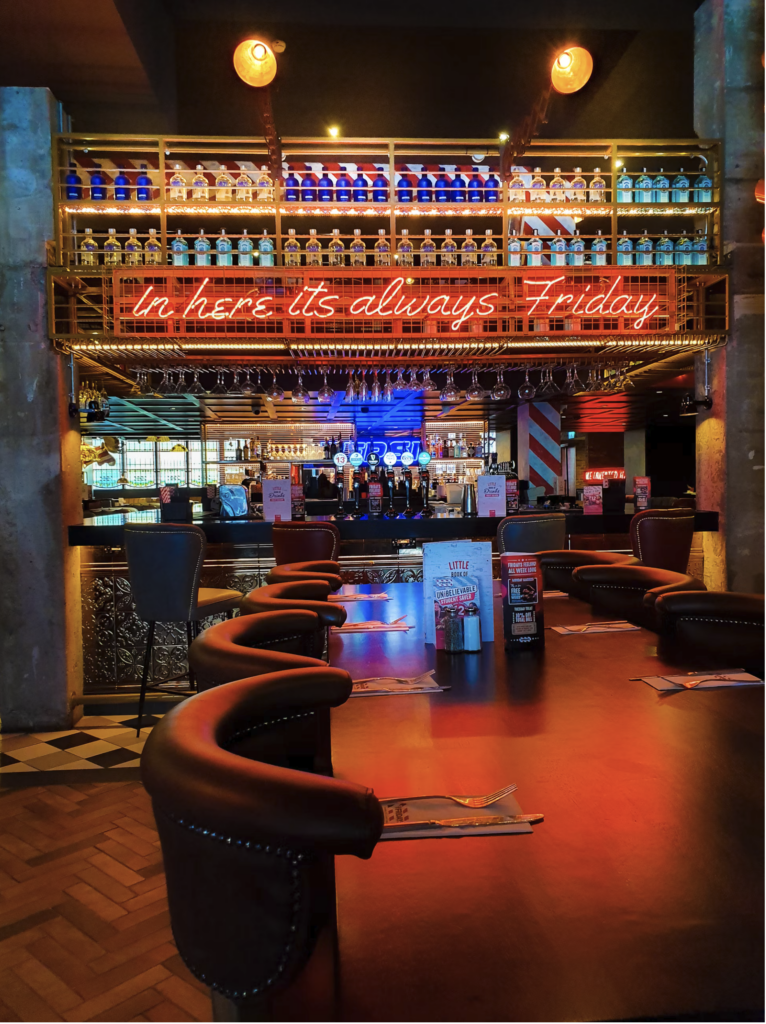
In restaurants with table service, a tip of around 10 per cent is customary for good service, rising to 12 or 15 per cent for exceptional service. It’s important to note that this is especially true in high-end establishments where the level of service is typically elevated. Always check your bill first, as many restaurants, particularly for larger groups, add a service charge automatically, often ranging from 10 to 12.5 per cent, in which case no further tip is needed. In fact, Irish law mandates that service charges and tips are passed on to staff, and that restaurants clearly display their tipping policies at the bottom of the menu or on the bill itself.
When exploring the beautiful landscapes of Ireland, consider the role of tour guides. These individuals often provide not just transportation but also valuable insights about the history and culture of the areas you visit. A tip of €5 to €10 per person for a group day tour is not only welcomed but can also enhance their motivation to provide memorable experiences for future tourists.
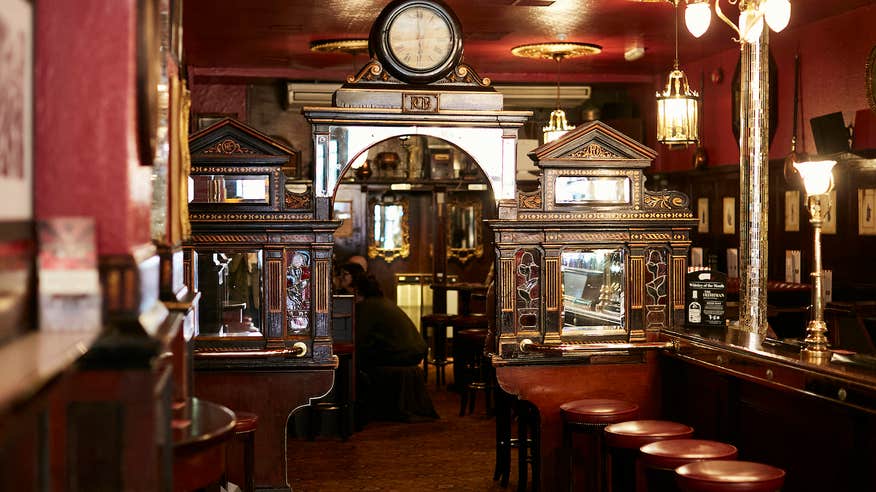
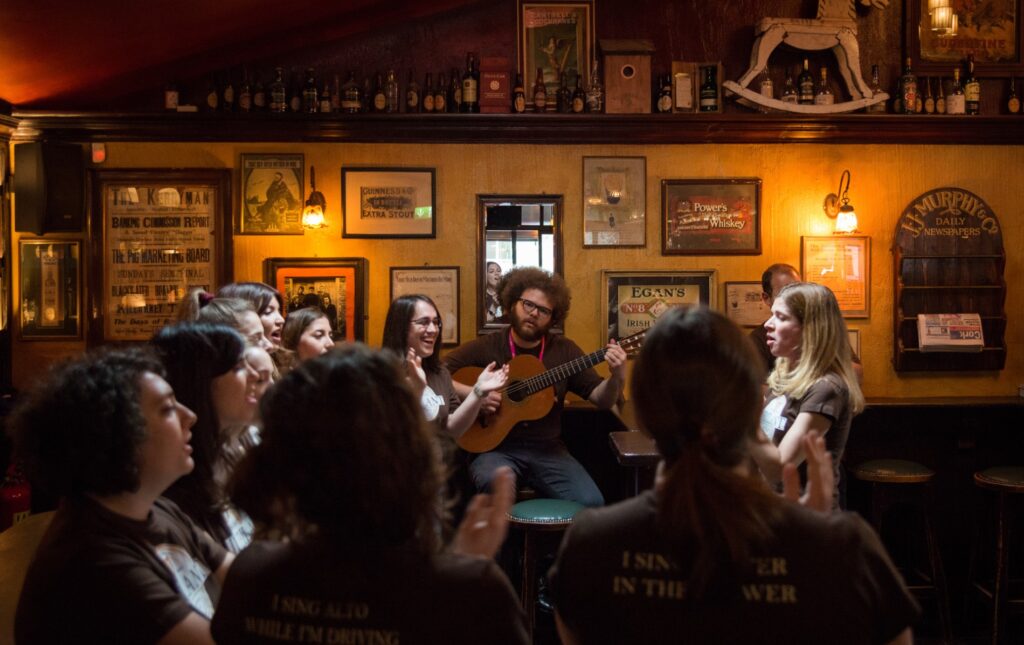
Pubs are different. You do not tip the bartender for a round of drinks, as you would in the United States. It is simply not part of the culture. If you have had a long evening with great service, or table service in a gastropub, you might leave a few euros, or offer to buy the bartender a drink, which is a traditional gesture of thanks. They may well save it for the end of their shift.
Additionally, being aware of how to offer a tip can vary. While cash is always appreciated, many restaurants are now equipped with card machines that allow you to add a tip directly when paying. This can be a convenient option if you are short on cash or prefer to use your card. Regardless of the method you choose, ensuring your tip reaches your server directly is a thoughtful gesture.
In conclusion, as you travel through Ireland, keep in mind that tipping is not just about the money; it’s about acknowledging the hard work of service staff. This small act can create a positive ripple effect in your interactions and enhance the charm of your visit. Ultimately, the question, Do You Have to Tip in Ireland?, can be answered with a simple understanding of local customs and practices.
For taxis, rounding up to the nearest euro or adding about 10 per cent is standard practice but not obligatory. If a taxi driver helps with luggage or provides exceptional service during your ride, consider tipping a bit more as a gesture of appreciation. Hotel porters typically receive a euro or two per bag, and leaving a small amount for housekeeping is a nice gesture, though not universally practised. In some upscale hotels, a more generous tip may be expected, especially for exceptional service.
Tour guides and drivers are the main exception where tipping is more expected. If you have spent a full day on a coach tour or with a private guide, a tip of €5 to €10 per person for a group day tour, or more for a private guide, is a welcome thank you for good storytelling and safe driving.
Hairdressers and spa staff may typically receive around 10 per cent for their services, particularly if you’ve received a professional and attentive treatment. While takeaway counters and cafés generally do not expect a tip, tip jars are increasingly common, especially in establishments that pride themselves on artisanal or gourmet offerings.
A practical note: card machines in some restaurants offer a tipping option. If you prefer to make sure the tip reaches your server directly, cash is always welcome.
Our verdict: tip modestly and when service is genuinely good. Around 10 per cent in restaurants is a safe guideline, nothing at the bar, and a few euros for guides and drivers will cover almost every situation. Remember that the Irish value warmth and good manners above all else, so a heartfelt thank you goes a long way. Tipping can be an expression of appreciation, and by understanding local customs, you can navigate these situations gracefully during your travels.