When Is the Best Time to Visit Ireland?
The short answer is May or September. The long answer depends on what you want from the Emerald Isle. When Is the Best Time to Visit Ireland? Understanding the nuances of Ireland’s seasons can significantly enhance your travel experience.
Ask ten Irish people when you should visit, and you will get ten answers, most of them involving the word “rain.” But for travellers trying to balance decent weather, long days, and manageable crowds, two months consistently rise to the top: May and September. May is particularly beautiful with vibrant flowers and mild weather, while September offers pleasant temperatures and fewer tourists. In this section, we’ll delve deeper into what these months have to offer in terms of cultural experiences and local events.
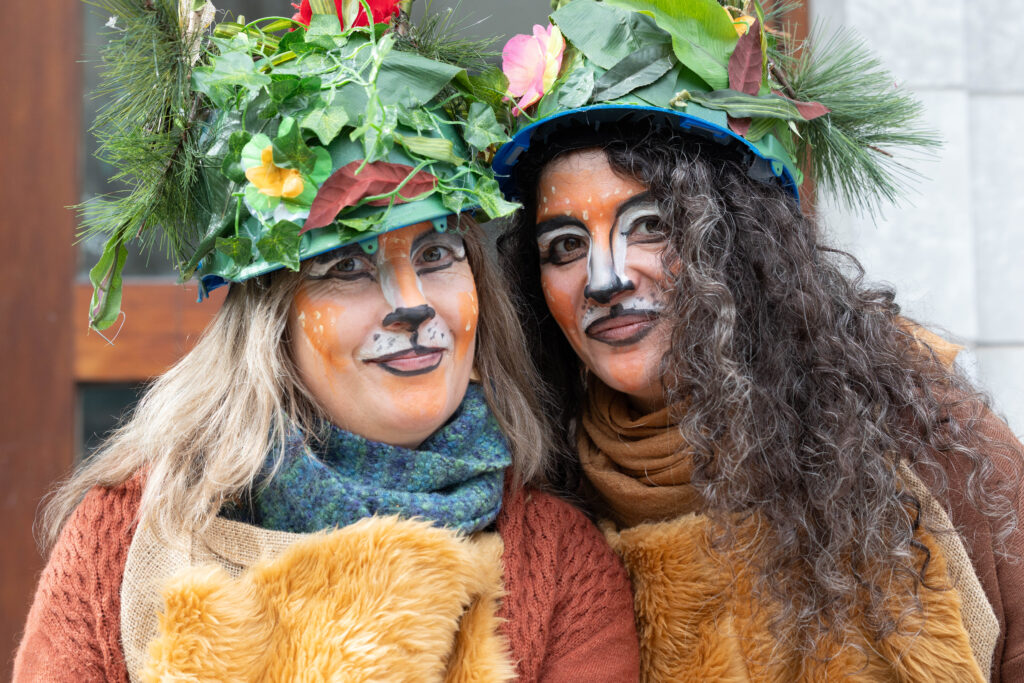
Rosie O’Regan and Greta Amin from Cork puppetry company before performing at the 2026 Cork St. Patrick’s Day Parade, which is organised by Cork City Council.
See www.corkstpatricksfestival.ie
Photo. Darragh Kane
The shoulder-season sweet spot
When Is the Best Time to Visit Ireland?
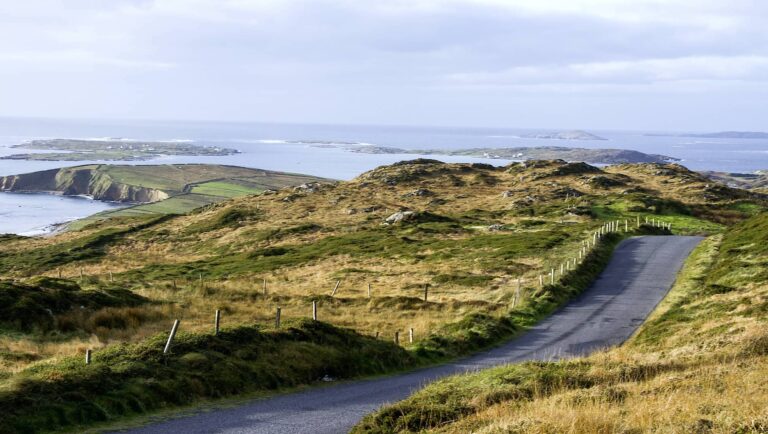
Late spring is when Ireland is at its greenest. Hedgerows explode with hawthorn blossom, lambs dot the hillsides, and daylight stretches past 9 p.m. by the end of the month. Crucially, the summer coach tours have not yet arrived in force, so you can stand at the edge of the Cliffs of Moher without jostling for elbow room. This period is also marked by various local festivals celebrating Irish culture, music, and food. The blooming landscape provides the perfect backdrop for hiking and outdoor activities, allowing visitors to truly immerse themselves in the natural beauty of the Emerald Isle.
Late spring is when Ireland is at its greenest. Hedgerows explode with hawthorn blossom, lambs dot the hillsides, and daylight stretches past 9 p.m. by the end of the month. Crucially, the summer coach tours have not yet arrived in force, so you can stand at the edge of the Cliffs of Moher without jostling for elbow room.
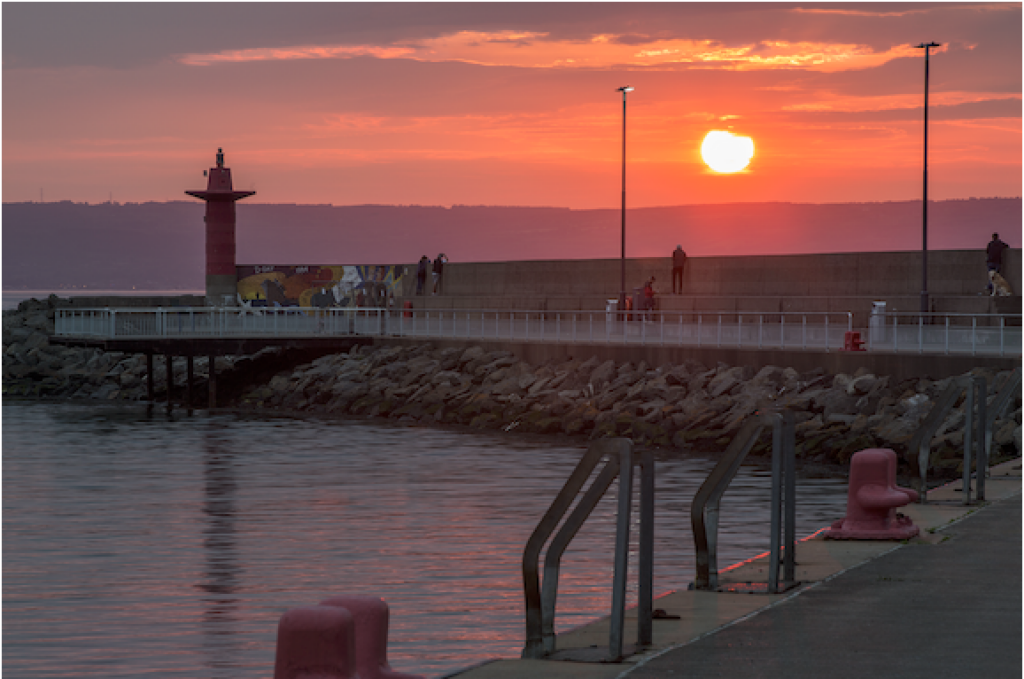
September offers a mirror image of May. The schools are back, the crowds thin out, and the Atlantic has had all summer to warm up, which keeps coastal temperatures mild. Accommodation prices often soften, too, and harvest festivals bring oysters, music, and craft beer to towns from Galway to Kinsale. These festivals are not just a treat for the taste buds but also provide an opportunity to mingle with locals and experience the authentic Irish way of life. As the season changes, the landscape shifts to stunning autumn colours, making it a picturesque time for photography enthusiasts.
What about summer?
June, July, and August deliver Ireland’s warmest weather and its longest days; around the solstice, it barely gets fully dark on the west coast. The trade-off is peak pricing, booked-out hotels in Dublin, Killarney, and Galway, and traffic on the Ring of Kerry that can crawl behind tour buses. If summer is your only option, book accommodation and rental cars months in advance and plan early starts at the big attractions. Additionally, summer is filled with vibrant festivals, outdoor concerts, and events that showcase the rich cultural heritage of Ireland. From the Galway International Arts Festival to music events in Dublin, there’s a plethora of activities to enjoy during these lively months.
June, July and August deliver Ireland’s warmest weather and its longest days; around the solstice, it barely gets fully dark on the west coast. The trade-off is peak pricing, booked-out hotels in Dublin, Killarney and Galway, and traffic on the Ring of Kerry that can crawl behind tour buses. If summer is your only option, book accommodation and rental cars months in advance and plan early starts at the big attractions.
The case for winter
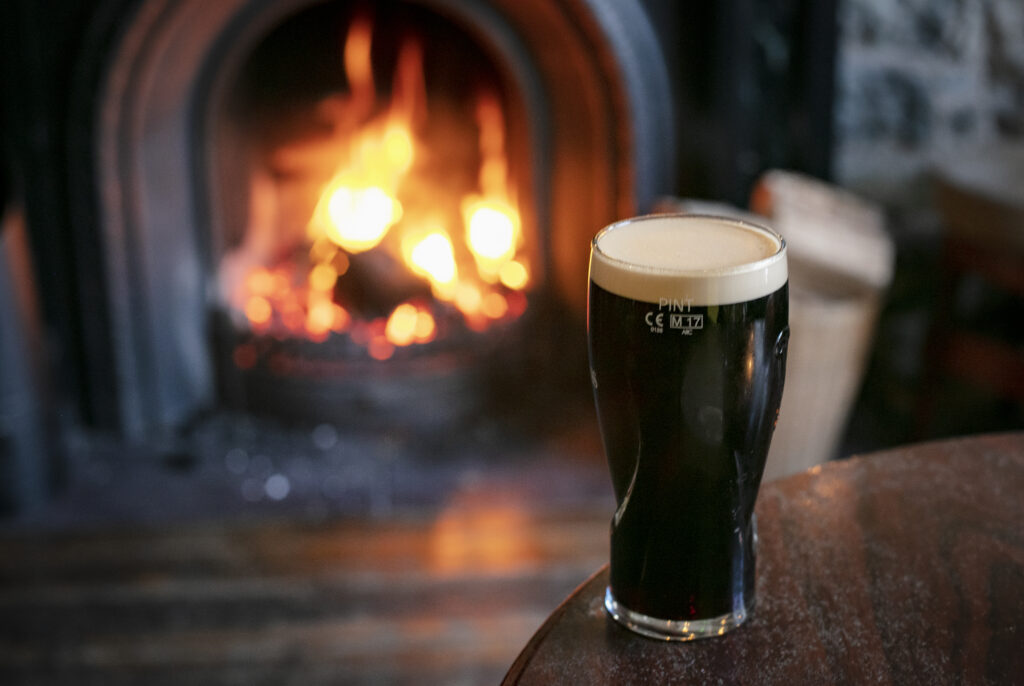
Ireland in November through February is not for everyone. Days are short, some rural attractions close or reduce hours, and Atlantic storms can roll in with little warning. Yet temperatures rarely drop far below freezing, flights and hotels are at their cheapest, and there is no better time to experience a pub at its cosiest, with a turf fire and a traditional music session in full swing. Christmas markets and the Dublin New Year’s festivities add extra appeal, offering travellers a unique glimpse into Irish customs and celebrations. The winter landscape, though stark, has its own beauty, and locations like the Giant’s Causeway take on a magical quality under a blanket of frost.
Ireland in November through February is not for everyone. Days are short, some rural attractions close or reduce hours, and Atlantic storms can roll in with little warning. Yet temperatures rarely drop far below freezing, flights and hotels are at their cheapest, and there is no better time to experience a pub at its cosiest, with a turf fire and a traditional music session in full swing. Christmas markets and the Dublin New Year’s festivities add extra appeal.
Timing around the big events
March 17 is the obvious magnet. St. Patrick’s Day turns Dublin into one enormous street party, which is either a dream or a nightmare depending on your tolerance for crowds and green face paint. Book well ahead if you want to be there. This time of year, many towns and cities across Ireland host their own parades and celebrations, featuring traditional music, dance, and the chance to experience the vibrant spirit of Irish culture. Other significant events include the Galway International Arts Festival in July and the Cork Jazz Festival in October, both providing unique experiences for visitors.
March 17 is the obvious magnet. St. Patrick’s Day turns Dublin into one enormous street party, which is either a dream or a nightmare depending on your tolerance for crowds and green face paint. Book well ahead if you want to be there.
Whatever month you choose, pack for every season. The one guarantee in Irish weather is that it will change, often several times before lunch. Come with a waterproof jacket and an open mind, and any time of year can be the best time to visit Ireland. Understanding the different seasonal offerings will allow you to tailor your itinerary to your interests, whether you’re drawn to lush landscapes, vibrant festivals, or cosy pub nights. Always check local calendars for events or festivals that may coincide with your visit, as they can greatly enhance your experience.